The Evolution of Hard Drives: A New Era of Storage
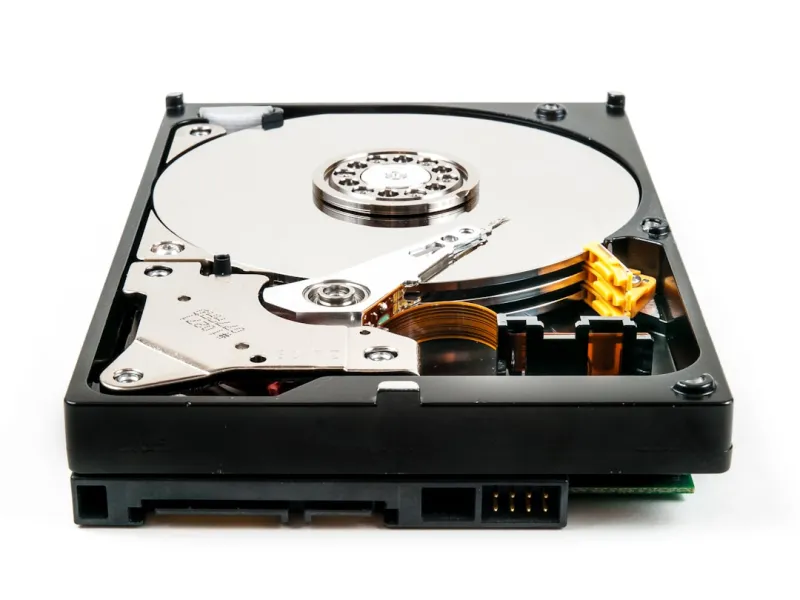
As we continue to push the boundaries of technology, the humble hard drive has undergone a significant transformation over the years. From its early days as a bulky, unreliable storage device to the sleek, high-capacity drives of today, the hard drive has come a long way. In this article, we'll take a look at the evolution of hard drives, the current state of the technology, and what the future holds for these essential components. The Evolution of Hard Drives: A Look Back and a Leap Forward provides a comprehensive overview of the history of hard drives, highlighting key milestones and innovations that have shaped the industry.
Early Days of Hard Drives
The first hard drive, introduced in 1956, was a massive device that weighed over 900 kg and had a storage capacity of just 5 MB. These early drives were prone to failure and were often replaced by newer models. However, as technology improved, hard drives became smaller, faster, and more reliable. The introduction of the floppy disk in the 1960s and the CD-ROM in the 1980s provided alternative storage options, but hard drives remained the primary storage device for computers. One of the key challenges in the early days of hard drives was ensuring data security. With the rise of computer viruses and malware, it became clear that hard drive security was a critical concern.
The Rise of Solid-State Drives
In recent years, the rise of solid-state drives (SSDs) has revolutionized the storage landscape. SSDs offer faster read and write speeds, lower power consumption, and greater reliability than traditional hard drives. As a result, SSDs have become the preferred choice for many applications, including gaming, video editing, and data centers. However, traditional hard drives remain popular due to their lower cost and higher storage capacity. The Critical Importance of Computer Hardware Security highlights the importance of securing computer hardware, including hard drives, to prevent data breaches and cyber attacks.
Advances in Hard Drive Technology
Hard drive technology has continued to advance, with the introduction of new features such as perpendicular magnetic recording (PMR) and shingled magnetic recording (SMR). These technologies have enabled hard drives to store more data in less space, making them ideal for applications such as cloud storage and big data analytics. Additionally, the development of 3D XPoint technology has enabled the creation of high-performance storage devices that offer faster speeds and lower latency. For example, Troubleshooting Video Cards: A Comprehensive Guide provides tips and tricks for troubleshooting common video card issues, including those related to hard drive performance.
The Future of Hard Drives
As we look to the future, it's clear that hard drives will continue to play a critical role in the storage landscape. With the rise of artificial intelligence (AI) and machine learning (ML), the demand for high-capacity storage devices will only continue to grow. Additionally, the development of new technologies such as quantum computing and storage-class memory will enable the creation of even faster and more efficient storage devices. However, as storage needs grow, so does the concern for data security. It is essential to ensure that hard drives are properly secured to prevent data breaches and cyber attacks.
Security Concerns
As mentioned earlier, computer hardware security is a growing concern in the digital age. Hard drives are not immune to security threats, and the consequences of a security breach can be devastating. The State of Computer Hardware Security: A Growing Concern provides an overview of the current state of computer hardware security, highlighting the importance of securing hard drives and other computer hardware. Some of the key security concerns related to hard drives include physical theft, data breaches, and malware attacks.
Best Practices for Hard Drive Security
To ensure the security of your hard drive, it's essential to follow best practices such as encrypting sensitive data, using secure passwords, and keeping software up to date. Additionally, using secure erase methods can help protect data in the event of a hard drive failure or disposal. By taking these steps, you can help protect your data and prevent security breaches. Some other best practices include regularly backing up data, using antivirus software, and monitoring hard drive health.
Conclusion
In conclusion, the evolution of hard drives has been a remarkable journey, from the early days of bulky, unreliable devices to the high-capacity, high-performance drives of today. As we look to the future, it's clear that hard drives will continue to play a critical role in the storage landscape. However, it's essential to prioritize data security and follow best practices to ensure the security of your hard drive. By doing so, you can help protect your data and stay ahead of the evolving threats in the digital age.
Recommendations
Based on the current state of hard drive technology, we recommend the following:
- Consider upgrading to an SSD for improved performance and reliability
- Use secure erase methods to protect data in the event of a hard drive failure or disposal
- Prioritize data security by encrypting sensitive data and using secure passwords
- Stay up to date with the latest developments in hard drive technology to ensure you're getting the most out of your storage devices
By following these recommendations, you can help ensure the security and performance of your hard drive and stay ahead of the evolving threats in the digital age.